
Annual Chimney Inspections: Certified Chimney Inspections Explained
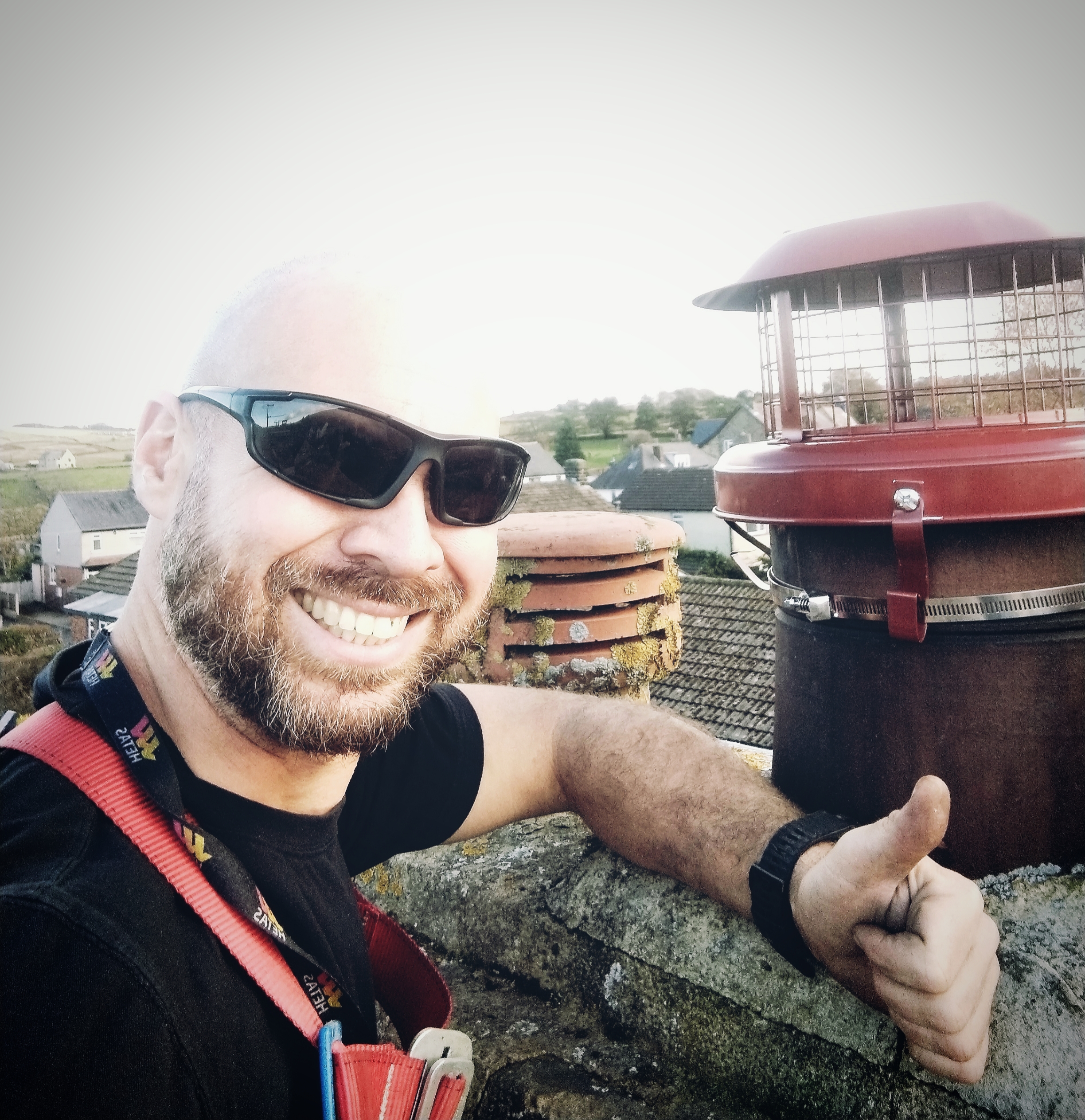
Keeping your chimney safe and efficient is essential for your home’s comfort and security. Annual chimney inspections help you spot problems early and maintain your chimney’s performance. In this post, I explain what these inspections involve, why they matter, and how to get them done right.
Why Annual Chimney Inspections Matter
Your chimney faces wear and tear every year. Weather, soot, creosote buildup, and animal nests can all cause damage. Without regular checks, small issues can turn into costly repairs or even dangerous hazards like chimney fires or carbon monoxide leaks.
Annual chimney inspections help you:
Detect cracks, blockages, or structural damage
Ensure your chimney is clear of soot and creosote
Confirm your flue and damper work properly
Identify signs of water damage or rust
Maintain good air quality and safety in your home
Scheduling an inspection once a year keeps your chimney in top shape. It also gives you peace of mind knowing your fireplace or stove is safe to use.

What Happens During Annual Chimney Inspections?
A professional chimney sweep or inspector follows a clear process during an annual inspection. They check every part of your chimney system, inside and out.
Here’s what to expect:
Visual Examination
The inspector looks for cracks, loose bricks, or damaged mortar on the chimney exterior. They also check the chimney cap and crown for wear.
Flue Inspection
Using a camera or flashlight, they inspect the flue lining for cracks, blockages, or creosote buildup. This step is crucial to prevent fires.
Smoke Chamber and Damper Check
The smoke chamber and damper are examined to ensure they open and close properly and are free of debris.
Firebox Inspection
The firebox is checked for cracks or damage that could affect safety.
Chimney Sweep (if needed)
If soot or creosote is present, the chimney is cleaned to reduce fire risk.
Report and Recommendations
After the inspection, you receive a detailed report. It includes any issues found and advice on repairs or maintenance.
This thorough approach ensures your chimney is safe and ready for use.
How much does it cost to certify a chimney?
The cost to certify a chimney varies depending on several factors:
Chimney size and type
Larger or more complex chimneys may cost more to inspect.
Condition of the chimney
If cleaning or repairs are needed, the price will increase.
Location and service provider
Prices differ by region and company.
On average, you can expect to pay between £80 and £150 for a basic annual inspection and certification. If cleaning or repairs are required, costs can rise accordingly.
Getting your chimney certified means a professional confirms it meets safety standards. This certification is often necessary for insurance or property sales.
How to Choose a Chimney Inspection Service
Choosing the right professional is key to a reliable inspection. Here are some tips:
Look for certification and experience
Ensure the inspector is qualified and has experience with local chimney types.
Check reviews and references
Positive feedback from other homeowners is a good sign.
Ask about inspection methods
Modern tools like video cameras provide a more thorough check.
Get a clear quote
Understand what the inspection covers and any extra costs.
Confirm insurance and guarantees
The company should have liability insurance and offer guarantees on their work.
By selecting a trusted service, you protect your home and get the best value.

Maintaining Your Chimney Between Inspections
Annual inspections are vital, but you can also take steps to keep your chimney in good shape year-round:
Burn seasoned wood
Dry wood produces less creosote and smoke.
Use a chimney cap
This prevents animals, rain, and debris from entering.
Keep the area around the chimney clear
Remove leaves, branches, and other flammable materials.
Check for signs of damage
Look for cracks, rust, or water stains and report them promptly.
Schedule cleaning as needed
If you use your fireplace frequently, more than one cleaning per year may be necessary.
These simple actions help extend the life of your chimney and improve safety.
Why Choose Bingley Chimney for Your Inspections?
At Bingley Chimney, we focus on safety, professionalism, and customer satisfaction. We understand the unique needs of homes in Bingley and West Yorkshire. Our team uses the latest tools and techniques to provide thorough inspections and cleaning.
We aim to be your most trusted choice for chimney services. When you book with us, you get:
Experienced, certified technicians
Transparent pricing and clear reports
Friendly, reliable service
Commitment to your home’s safety
For peace of mind, book your certified chimney inspections with us today. We help keep your chimney safe and efficient all year round.


Comments