
When Did You Last Look at the Top of Your Chimney?
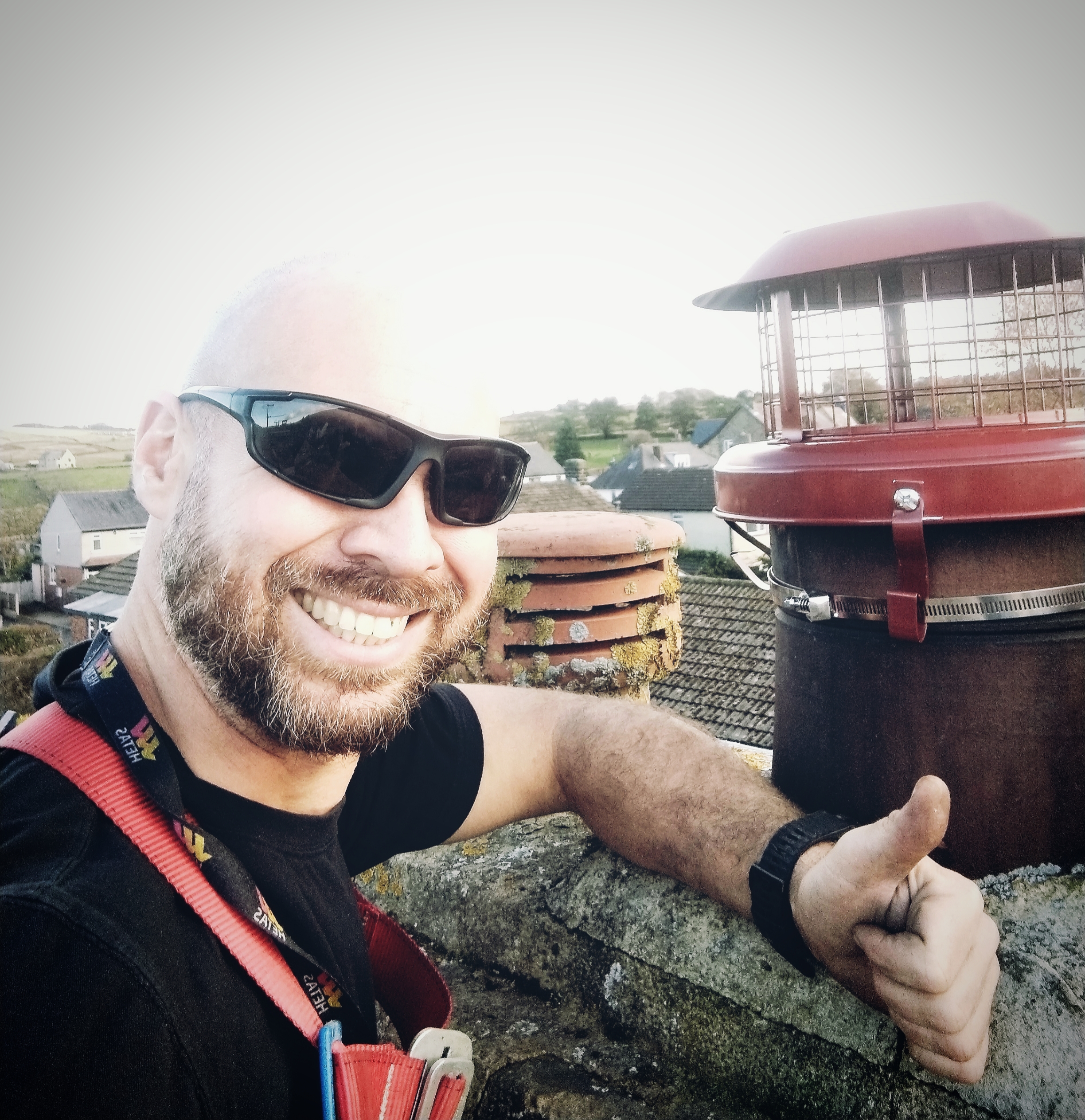
Most people know when their stove glass needs cleaning. Spotting a worn-out bird guard at the top of the chimney is rather less straightforward.
It sits above the roofline, quietly taking whatever the Yorkshire weather throws at it. Unless something looks obviously wrong from the ground, it is easy to assume it is still doing its job.
A job in Silsden, which we shared on our Facebook page, was a useful reminder of why that assumption deserves a closer look. The original bird guard had deteriorated considerably, leaving the chimney vulnerable to birds and nesting material entering the flue. The before-and-after photographs show just how much had changed at the top of the pot.
It is a small part of the chimney, but choosing it carefully and keeping an eye on its condition matters.

What does a chimney cowl actually do?
A cowl is fitted at the chimney or flue outlet. Depending on its design, it can help keep birds out, reduce rain entering the flue or address a particular draught problem.
Those jobs are different. A bird guard is intended to prevent birds entering; a rain cap provides weather protection; an anti-downdraught terminal is designed for a particular airflow issue. Some products combine functions.
That is why “I need something on top of the chimney” is the beginning of the conversation. We also need to understand what the chimney serves and what the fitting is meant to achieve.
The right cowl for the right chimney
Open fires, wood-burning stoves and gas appliances can have different terminal requirements. The appliance, fuel and flue arrangement all matter, and the manufacturer's instructions need to be followed.
Appearance alone does not tell you whether a fitting is suitable. Two cowls may look similar from the pavement while being intended for different uses.
The sensible approach is to identify the installation first, then choose a suitable product. Buying whichever one looks neatest online can leave an important question unanswered: is it right for this chimney?
What the Silsden job showed
Look closely at the old guard and you can see the corrosion and damaged sections of wire. From further down the roof, it still looks like a fitting on top of a chimney. Close up, its condition is much easier to judge.

We replaced it with a British-made chimney cowl. The finished photograph shows the new guard and its broad rain cover, securely fitted to the pot.

The important difference is more than appearance. The old fitting had deteriorated; the replacement restores the protection at the chimney outlet. It is a good example of why a closer inspection can be useful before deciding what work is needed.
When is it worth asking for a check?
You do not need to climb onto the roof. If you can see a guard leaning, damaged mesh or a fitting that appears to have moved, mention it to a professional.
Bird activity around the pot, bits of nesting material appearing in the fireplace, or a change in how the fire draws are also worth reporting. These are clues to investigate, rather than proof that a new cowl is the answer.
If you suspect a blockage or smoke is entering the room, stop using the appliance and arrange a professional check. Fitting a guard does not remove material already inside the chimney.
It is also worth raising the question when moving into a house or changing an appliance. An existing fitting should be assessed for the installation it will serve.
A useful question at your next sweep
“Do you know what is fitted at the top, and whether it is suitable?” is a good place to start.
If the condition cannot be established from the available view, further inspection may be needed. A clear explanation of what can be seen, what remains uncertain and what needs attention is more useful than a guess.
At Bingley Chimney, we supply and fit chimney cowls and caps alongside our chimney sweeping, stove servicing and installation work across Bingley and the surrounding areas. If you are unsure about the fitting on your chimney, contact us through our website.
The stove gets most of the attention. Every so often, it pays to look a little higher.


Comments