

Maintaining Your Unlined Flue Stove: Essential Unlined Flue Maintenance Tips
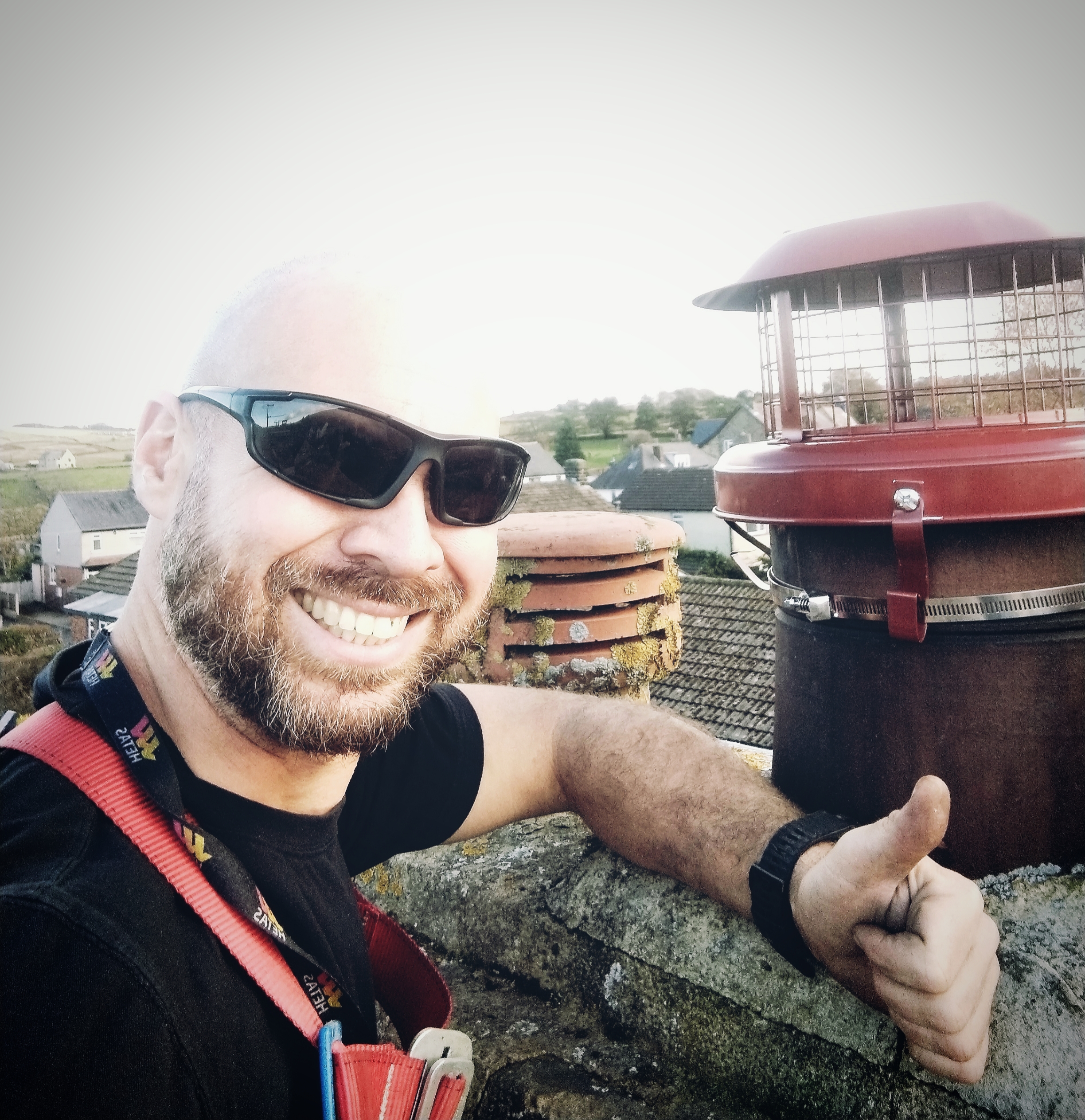
Owning an unlined flue stove means you enjoy the warmth and charm of a traditional heating system. However, it also means you must take special care to keep it safe and efficient. Unlined flues require regular attention to prevent soot buildup, blockages, and potential fire hazards. I want to share practical advice on maintaining your unlined flue stove so you can enjoy it safely throughout the year.
Why Unlined Flue Maintenance Matters
Unlined flues are common in older homes, especially in areas like Bingley and West Yorkshire. Unlike lined flues, they lack a protective inner lining, which means the chimney walls are exposed directly to smoke and combustion by-products. This exposure can cause several issues:
Soot and Creosote Buildup: These deposits can accumulate quickly and increase the risk of chimney fires.
Structural Damage: Smoke and moisture can erode the brickwork inside the flue.
Poor Draft: Blockages or rough surfaces inside the flue reduce airflow, making your stove less efficient.
Regular maintenance helps you avoid these problems. It keeps your stove burning cleanly and your home safe.
How to Perform Unlined Flue Maintenance
Maintaining an unlined flue stove involves a few key steps. You can do some of these yourself, but others require professional help.
1. Inspect the Flue Regularly
Check the flue for cracks, loose bricks, or signs of wear. Use a flashlight to look inside the chimney from the stove or fireplace opening. If you spot any damage, call a professional to assess and repair it.
2. Clean the Stove and Flue
Remove ash from the stove after every use. Ash buildup can restrict airflow and reduce efficiency. For the flue, you need to remove soot and creosote deposits regularly. This is where a professional chimney sweep is essential.
3. Use the Right Fuel
Burn only dry, seasoned wood or approved fuels. Wet or green wood produces more smoke and creosote, increasing the risk of buildup in your unlined flue.
4. Monitor Smoke Colour
Watch the smoke coming from your chimney. Thick, dark smoke indicates incomplete combustion and excess creosote formation. Adjust your fuel or stove operation to improve burning.

Can You Sweep a Chimney Without a Liner?
Yes, you can sweep a chimney without a liner, but it requires special care. Unlined flues are more fragile and prone to damage during cleaning. A professional chimney sweep will use the right tools and techniques to avoid harming the brickwork.
Sweeping an unlined flue removes dangerous soot and creosote. It also helps identify any structural issues early. If you want to learn more about the process, consider booking an unlined flue stove sweep with a trusted local expert.
Signs Your Unlined Flue Stove Needs Attention
Knowing when to act is crucial. Here are some warning signs that your unlined flue stove needs maintenance:
Smoke Backing into the Room: This means poor draft or blockage.
Strong Smells of Smoke or Soot: Indicates leaks or cracks in the flue.
Visible Cracks or Loose Bricks: Structural damage that needs repair.
Excessive Soot or Creosote Buildup: A fire hazard.
Difficulty Lighting or Maintaining Fire: Could be airflow issues.
If you notice any of these, schedule an inspection and cleaning promptly.

Tips for Safe and Efficient Stove Use
Maintaining your unlined flue stove is not just about cleaning. How you use it matters too. Follow these tips to keep your stove safe and efficient:
Start Fires Slowly: Use kindling and small logs to build a hot, clean fire.
Avoid Overloading: Too much wood can cause excessive smoke and creosote.
Keep Air Vents Open: Proper airflow reduces smoke and soot.
Schedule Annual Sweeps: Even if you use your stove lightly, yearly professional cleaning is essential.
Check Carbon Monoxide Detectors: Ensure your home has working detectors near the stove.
By following these steps, you reduce risks and improve your stove’s performance.
Planning Your Unlined Flue Stove Maintenance Schedule
Consistency is key. Here’s a simple maintenance schedule to follow:
| Task | Frequency |
|---------------------------|--------------------|
| Ash removal | After every use |
| Visual flue inspection | Monthly during use |
| Professional chimney sweep| Annually |
| Structural inspection | Every 2-3 years |
Stick to this routine to keep your stove and chimney in top condition.
Why Choose Professional Help in Bingley and West Yorkshire
While some maintenance tasks are straightforward, professional chimney sweeps bring expertise and safety. They have the right equipment to clean unlined flues without causing damage. They also spot hidden problems early, saving you costly repairs later.
Choosing a local, trusted service means they understand the specific challenges of homes in Bingley and West Yorkshire. Their knowledge ensures your stove stays safe and efficient year-round.
Maintaining your unlined flue stove is simple when you know what to do. Regular cleaning, careful use, and professional checks keep your home warm and safe. Don’t wait for problems to appear - stay ahead with good unlined flue maintenance. Your stove will thank you with reliable heat and peace of mind.


Comments