
Safe Wood Stove Installation Guide
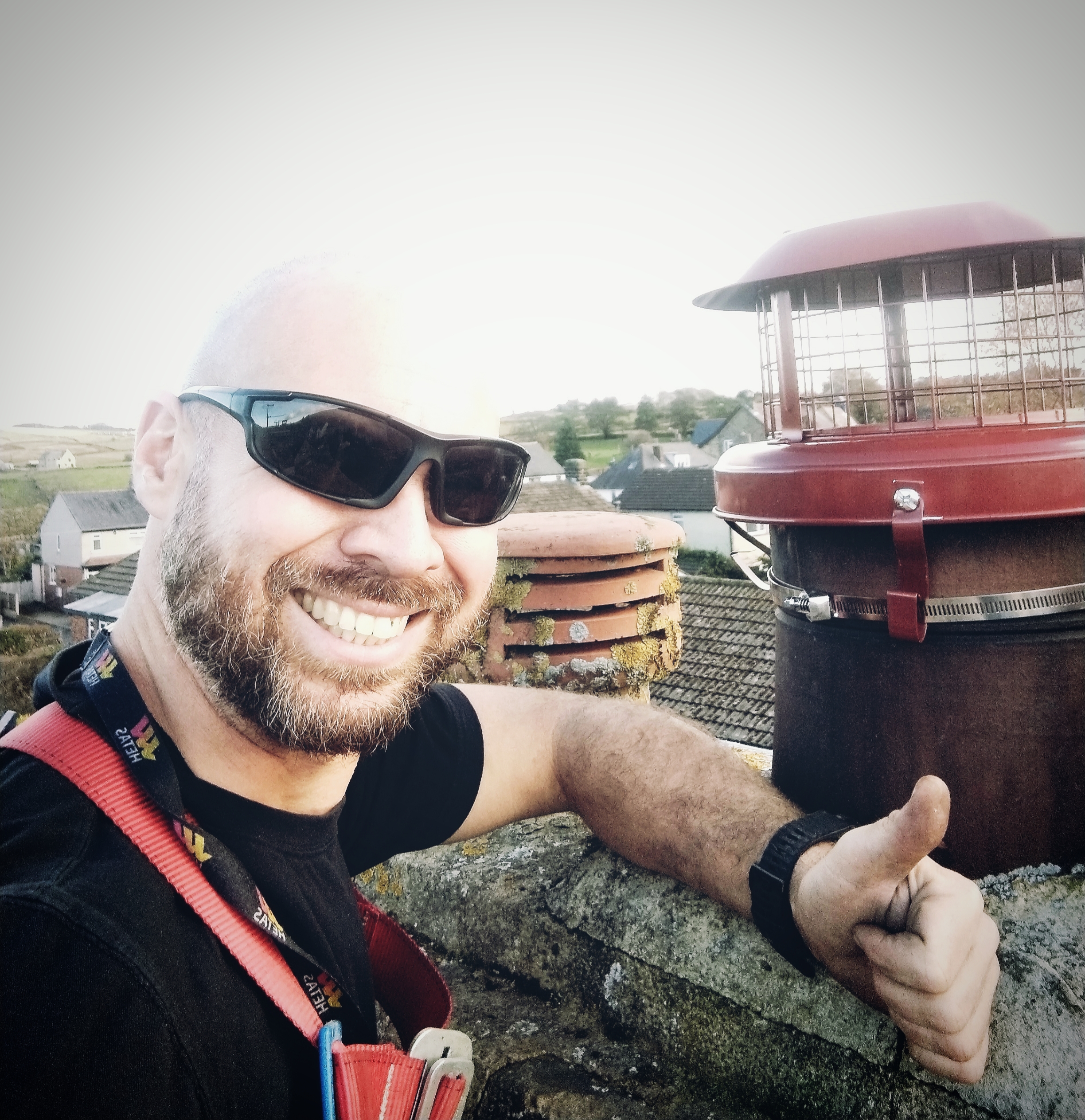
Installing a wood stove can transform your home. It adds warmth, charm, and a reliable heat source during cold months. However, safety is crucial. A poorly installed stove can cause fires, carbon monoxide leaks, or damage to your property. I want to guide you through the essential steps for a safe wood stove installation. This guide focuses on practical advice you can follow to protect your home and family.
Understanding Safe Wood Stove Installation
Before you start, you need to understand the basics of safe wood stove installation. The stove must be placed in a location that allows proper clearance from combustible materials like walls, furniture, and flooring. You also need a suitable chimney or flue system to vent smoke and gases outside.
Here are some key points to consider:
Clearance distances: Follow manufacturer guidelines and local building codes for minimum distances between the stove and any combustible surfaces.
Floor protection: Use a non-combustible hearth pad under and around the stove to protect your floor from heat and sparks.
Chimney requirements: The chimney must be the right height and diameter to ensure good draft and prevent smoke from entering your home.
Ventilation: Ensure your room has enough fresh air to support combustion and prevent carbon monoxide buildup.
Taking these precautions seriously reduces risks and ensures your stove works efficiently.

Steps for a Safe Wood Stove Installation
Follow these steps carefully to install your wood stove safely:
Choose the right stove
Pick a stove that fits your room size and heating needs. Check that it is certified for safety and efficiency.
Select the installation spot
Find a location with enough space around the stove. Avoid placing it near curtains, furniture, or wooden walls.
Prepare the floor
Install a hearth pad made of stone, tile, or metal. It should extend at least 18 inches in front of the stove and 8-12 inches on the sides.
Install the chimney or flue
Use double or triple-wall insulated pipes for the chimney. The chimney should extend at least 3 feet above the roof and 2 feet higher than any nearby structure.
Connect the stove to the chimney
Use proper stovepipe sections and secure all joints tightly. Avoid sharp bends that can reduce draft.
Seal and insulate
Seal any gaps around the chimney to prevent leaks. Insulate walls if the chimney passes through combustible materials.
Test the system
Light a small fire and check for smoke leaks or poor draft. Adjust as needed.
Install smoke and carbon monoxide detectors
Place detectors near the stove and in sleeping areas for early warning.
If you are unsure about any step, consult a professional. A certified installer can ensure everything meets safety standards.
What is the 3:2-10 rule for wood stoves?
The 3:2-10 rule is a simple guideline to help you position your chimney safely. It states:
The chimney must extend at least 3 feet above the highest point where it passes through the roof.
It must be at least 2 feet higher than any part of the building within a 10-foot horizontal radius.
This rule helps prevent smoke from being trapped by nearby roof structures and ensures good airflow. Following it reduces the risk of smoke entering your home and improves stove performance.
For example, if your chimney passes through the roof at 15 feet high, and there is a nearby roof ridge 8 feet away at 16 feet high, your chimney top must be at least 18 feet high (2 feet above the ridge).

Common Mistakes to Avoid During Installation
Avoid these common errors to keep your installation safe and effective:
Ignoring clearance requirements
Placing the stove too close to walls or furniture can cause fires.
Using the wrong chimney pipe
Single-wall pipes inside the home can overheat nearby materials. Always use insulated pipes where required.
Improper chimney height
A chimney that is too short will cause poor draft and smoke problems.
Skipping floor protection
Sparks or hot embers can damage or ignite flooring without a proper hearth pad.
Poor sealing of joints
Leaks in the stovepipe or chimney can allow dangerous gases into your home.
Not installing detectors
Smoke and carbon monoxide detectors are essential safety devices.
By avoiding these mistakes, you protect your home and ensure your stove works well.
Maintaining Your Wood Stove for Safety and Efficiency
Installation is just the start. Regular maintenance keeps your stove safe and efficient:
Clean the chimney annually
Creosote buildup can cause chimney fires. Hire a professional chimney sweep or do it yourself if trained.
Inspect seals and gaskets
Replace worn door seals to maintain airtight combustion.
Check the stovepipe
Look for rust, holes, or loose joints and repair as needed.
Remove ash regularly
Keep the ash pan clean but leave a thin layer to help insulate the firebox.
Monitor for smoke leaks
If you smell smoke indoors, check for leaks or blockages.
Test detectors monthly
Replace batteries and test alarms to ensure they work.
Routine care extends the life of your stove and keeps your home safe.
Getting Professional Help When Needed
While many homeowners can handle parts of the installation, some tasks require professional expertise. If you are unsure about chimney construction, clearance measurements, or local building codes, hire a certified installer. They have the knowledge and tools to do the job right.
A professional can also:
Obtain necessary permits
Inspect your home for hazards
Recommend the best stove model for your needs
Provide a warranty on their work
Investing in professional help gives peace of mind and protects your property.
If you want to learn more about wood stove installation, Bingley Chimney offers expert services tailored to your home in West Yorkshire.
Your Next Steps for a Safe and Warm Home
Installing a wood stove is a great way to heat your home efficiently. By following this guide, you ensure your installation is safe and compliant with regulations. Remember to:
Choose the right location and stove
Follow clearance and chimney height rules
Use proper materials and floor protection
Maintain your stove regularly
Seek professional help when needed
Taking these steps protects your home and family while enjoying the warmth and comfort of a wood stove. Stay safe and enjoy your cosy space this winter.


Comments